Do Professors Check for Plagiarism? Tools Commonly Used
Maintaining the integrity of scholarly work is crucial in academia, and plagiarism is a major concern. Professors frequently take steps to ensure fairness and promote originality by checking for plagiarism in students’ assignments.
These educators check submitted work with preexisting sources using plagiarism detection software and web resources to spot instances of copied text or inadequate citations.
In this write-up, we want to discover if professors check for plagiarism. Read on.
Do Professors Check for Plagiarism?
The academic standards of originality and intellectual honesty are threatened when plagiarism is active.
Yes, educators often check student work for plagiarism to protect academic integrity.
Using plagiarism detection software and web resources, they carefully examine submitted assignments to spot instances of plagiarized work, incorrect citations, or unattributed sources.
Professors prevent their students from engaging in unethical behavior by doing these checks, and they also encourage improving their writing, research, and critical thinking abilities.
Professors establish a culture of academic honesty among students and teach respect for intellectual property by stressing correct citation and acknowledgment.
How Professors Check for Plagiarism
1. Using plagiarism scanners
Professors use plagiarism scanners, commonly called plagiarism detection software to check for plagiarism in student work.
These programs compare the submitted assignments to a vast database of sources, which includes written materials like books, journals, and published papers. The program highlights any text that match or are similar, indicating possible plagiarism.
The professors then review the detected sections to evaluate whether the similarities result from valid citations or improper use of someone else’s work.
When evaluating student work, plagiarism scanners enhance academic integrity by quickly spotting any plagiarism.
2. Comparing words manually
To spot any plagiarism, professors may also carefully compare the terms and phrases used in students’ writing. This procedure includes:
- Carefully reviewing and evaluating the tasks turned in.
- Paying attention to the language used.
- Contrasting it with material from reliable sources.
Professors who are experts in a given topic can frequently identify well-known passages or concepts that may have been plagiarized without due credit.
Although it takes more time, this approach enables a more thorough analysis of the text and can reveal instances of plagiarism that automated programs might miss.
3. Using experience
Due to their extensive subject knowledge and experience in their domains, professors can frequently identify plagiarism.

Inconsistencies in writing style, a sharp change in the level of understanding demonstrated, or the use of foreign vocabulary that would point to outside sources can all be found by carefully reviewing students’ work.
Such an automatic technique enables instructors to spot probable instances of plagiarism that automated tools or algorithms may miss based on their familiarity with scholarly literature.
4. Noticing Similar Wrong Answers
When several students answer a question nearly identically or display similarity in their entire work, it raises concerns about collaborative or plagiarized work.
Professors can look into plagiarism further by comparing and cross-referencing these responses.
Even so, this approach depends on the professor’s ability to observe and understand their students’ abilities to spot inconsistencies and possible wrongdoing.
5. Comparing with previously submitted papers
Professors frequently maintain archives of prior student work, enabling them to detect instances of self-plagiarism or reuse of previously submitted materials.
Professors can spot situations where students have turned in their work without giving proper credit by looking for commonalities in language, reasoning, or overall organization. This strategy aids in ensuring that students produce unique and original work for each assignment.
Tools used by Professors to Check Plagiarism
1. Turnitin
Turnitin is a web-based program that looks for instances of plagiarism in student papers by comparing them to a vast database of academic sources, published works, and student papers.
Professors can evaluate the originality and integrity of submitted work using the software’s similarity reports, which highlight matched material and offer a similarity score.
2. SafeAssign
SafeAssign is a tool that detects plagiarism online, and one can connect it with learning management systems like Blackboard. It searches a database of academic papers, websites, and other sources for suspected plagiarism in the tasks that students have submitted.
Professors can evaluate the originality and validity of students’ work with the aid of similarity reports produced by SafeAssign.
3. Google
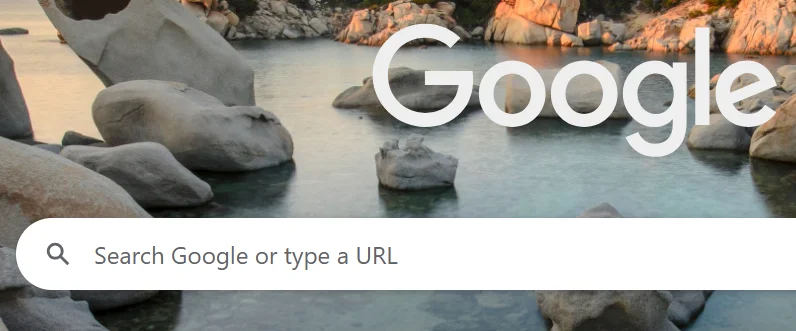
While not specifically designed for plagiarism detection, professors may also use Google to cross-reference suspicious passages or phrases in students’ work.
When they conduct targeted searches, they can identify potential sources and verify the originality of the content in question.
4. Free plagiarism scanners
Professors can utilize several free plagiarism scanners to check for plagiarism in students’ work. Some popular options include Grammarly, Copyscape, and SmallSEOTools.
These tools can help identify potential instances of copied content and ensure academic integrity in assignments.
Why Professors Check Plagiarism Manually
1. To verify Automated Scans
Professors can perform a manual plagiarism check to ensure that plagiarism detection software’s automated scans are accurate.
Although effective, these techniques can produce false positives or fail to detect some cases of plagiarism.
To ensure accurate detection and uphold the integrity of the evaluation process, professors can cross-reference the highlighted areas, evaluate the context, and reach a more nuanced conclusion by doing a manual review.
2. To Curb Cheating
To prevent plagiarism and advance academic integrity, professors also hand-check assignments for it.
They can spot potential misbehavior by assessing students’ work and looking for red flags like uneven writing, dubiously high-quality information, or unexpectedly high levels of competence.
Manual checks are a deterrent because they make pupils less likely to plagiarize if they know their work will be closely examined.
It supports the upkeep of an impartial and truthful academic setting that honors sincere effort and innovation.
3. To Avoid Harsh Punishments
Professors may check for plagiarism to avoid handing out heavy penalties needlessly.
As they conduct a thorough assessment, they can establish if the sections that have been marked for plagiarism are instances of plagiarism or whether they are the result of authentic citations or coincidental similarities.
Manual checks give academics more freedom to use their judgment and consider the work’s context, potentially avoiding harsh penalties for accidental or minor plagiarism.